





When a tooth is severely compromised by trauma or deep decay, extraction is not the only option. Root canal treatment involves the clinical removal of damaged or infected pulp. This procedure aims to preserve your natural tooth structure and address the source of dental pain.
Our clinical team at Bond St focuses on managing patient comfort through modern anaesthetic techniques, providing a professional approach to restorative dental care.
Important Information: All dental procedures carry risks. A consultation is required to determine suitability for treatment. Results vary between individuals and depend on clinical factors and patient compliance. Any surgical or invasive procedure carries additional risks; before proceeding, you should seek a second opinion from an appropriately qualified health practitioner.

Root canal treatment, also known as endodontic treatment, involves the removal of infected or damaged tissue from the soft centre of the tooth, known as the pulp.
Our teeth consist of an enamel outer layer, a second layer known as dentin, and a soft core. This internal tissue can become compromised due to dental trauma or deep decay. If the soft core becomes infected, the vitality of the tooth’s nerve is at risk.
To assist in preserving a compromised tooth, dentists perform root canal treatment to remove the affected internal tissue and seal the canals. This process is designed to reduce the risk of further bacterial growth. Root canal treatment is often followed by the placement of a dental crown to support the structural integrity of the tooth.
Untreated dental infections can be symptomatic and may lead to the need for more complex interventions or potential tooth loss. While extraction was historically the primary option for compromised teeth, modern endodontic (root canal) treatment provides a clinical pathway intended to preserve the natural tooth structure.
By addressing the infection within the root canal system, this procedure supports the maintenance of your natural dentition and oral health for the long term.
Common symptoms that may indicate the need for a clinical assessment for root canal treatment include:
Persistent or acute toothache.
Discomfort when chewing or applying pressure.
Prolonged sensitivity to hot or cold temperatures.
Discolouration or darkening of the tooth.
Swelling or tenderness in the adjacent gums.
Swelling of the facial or neck area.
Visible damage or deep decay in the tooth.
While factors such as dental trauma cannot always be predicted, you can help reduce the risk of infection by maintaining a consistent oral hygiene routine. This includes:
Brushing twice daily.
Daily flossing to remove plaque between teeth.
Using a fluoride toothpaste.
Attending regular dental examinations as recommended by your dentist.
Professional dental cleanings to maintain gum and tooth health.
Maintaining a balanced diet and limiting high-sugar foods and beverages.
At Bond St, root canal treatments are performed by our experienced dentists. For complex cases, we may refer you to an Endodontist (a registered root canal specialist) to ensure the highest standard of clinical care.
Modern Clinical Techniques Advancements in local anaesthesia and dental technology have refined the root canal process, allowing for improved management of patient comfort. While it remains a detailed invasive procedure, our team focuses on efficiency and precision throughout the treatment.
What to Expect During Treatment Following the administration of local anaesthetic, your dentist will remove the compromised nerve and pulp tissue from the internal canals of the tooth. The area is then cleaned and sealed with a biocompatible material to minimise the risk of future infection. Because a tooth can become more brittle following endodontic treatment, a dental crown is typically recommended to support the remaining natural tooth structure and prevent fractures.
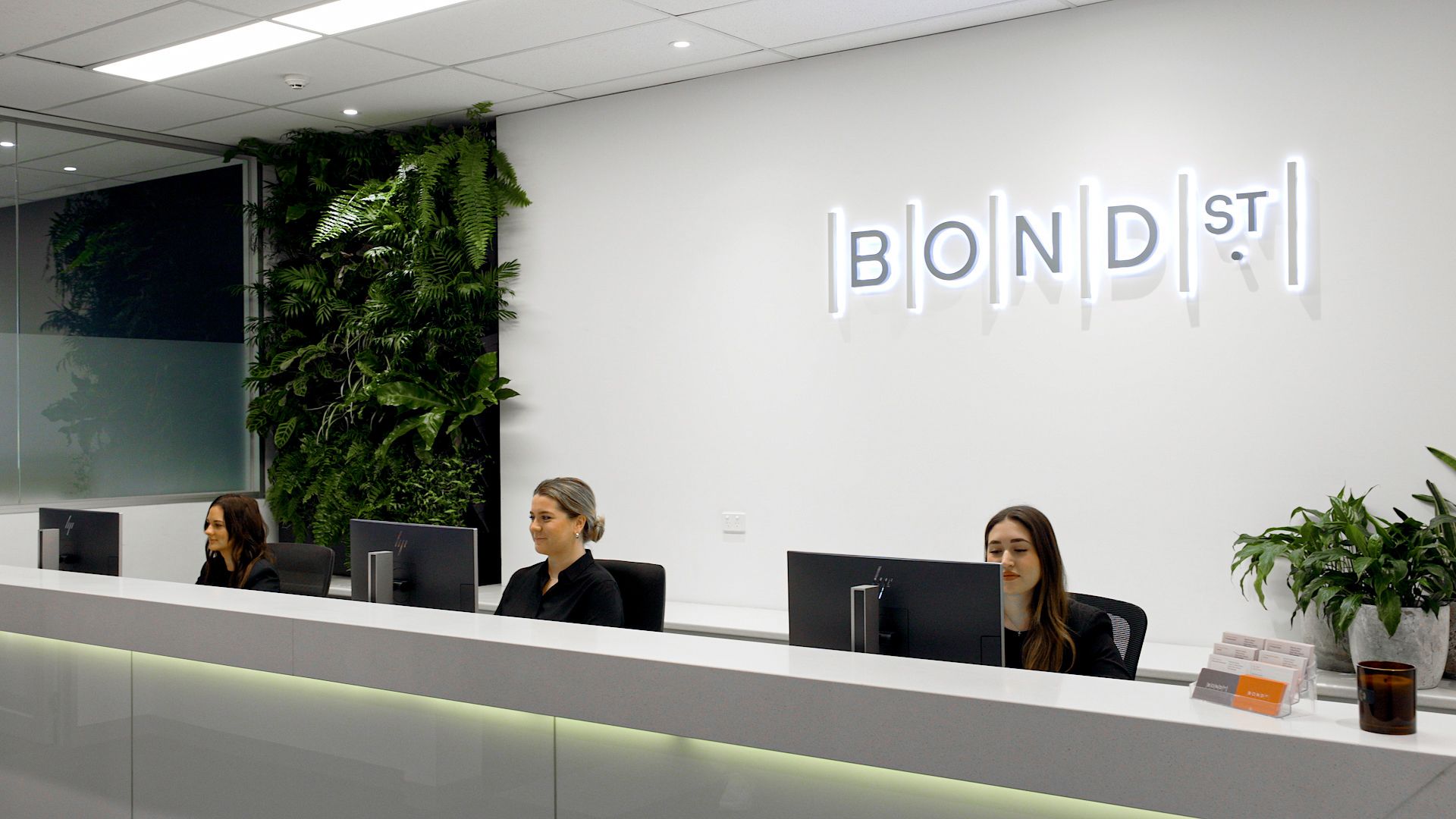
At Bond St, we focus on providing a professional and supportive environment for all patients. Our dentists utilise modern dental technology in our South Yarra clinic, intended to support the efficient and precise delivery of endodontic treatments.
To manage comfort during your procedure, we utilise local anaesthesia to numb the treatment area. Our team focuses on clinical precision to support your recovery. While a root canal is an invasive procedure, most patients can resume their regular activities shortly after treatment, though temporary sensitivity or discomfort may occur during the initial healing phase.
If root canal treatment is determined to be the appropriate clinical option for you, we will provide a detailed treatment plan, including a comprehensive breakdown of all associated fees. At Bond St, we aim to provide clear and upfront information regarding costs, which our Treatment Coordinator will discuss with you during your planning phase.
To assist with the financial management of your dental care, we offer a range of payment options. Our team can provide further information on these during your consultation to help you choose a plan that aligns with your requirements.
Most patients are able to drive themselves home and return to their daily activities following root canal treatment, once the effects of the local anaesthetic have subsided. Your dentist may recommend over-the-counter pain relief to manage any mild post-operative discomfort or sensitivity.
If your treatment is performed over multiple visits, it is important to avoid biting or chewing on the affected tooth until the final restoration is complete. This helps reduce the risk of fracturing or damaging the temporary seal. Once your permanent crown is placed, maintaining a thorough oral hygiene routine is essential to minimise the risk of further infection and support the longevity of the restoration.

At Bond St, we provide a comprehensive range of dental services tailored to your individual requirements. Starting with an in-depth clinical consultation, our team provides personalised care throughout each stage of your treatment plan. Book a consultation at our modern South Yarra clinic.