

A Second Chance at a Perfect Smile
Teeth don’t have the power to restore themselves; but with new generation crown technology, it’s almost as if they do. A second skin for cracks, chips or weakened enamel, the modern crown fuses aesthetics and function—for a new lease on life that has everyone smiling.
Also known as a ‘tooth cap’, dental crowns work like a thimble. They encase cracks caused by trauma or old fillings so that damage is contained and extraction is avoided.
At Bond St, we’ve performed thousands of dental crowns over the years, standing at the forefront of digital technology, methods and materials. We work with Australia’s leading technicians to create state-of-the-art custom crowns with excellent longevity.
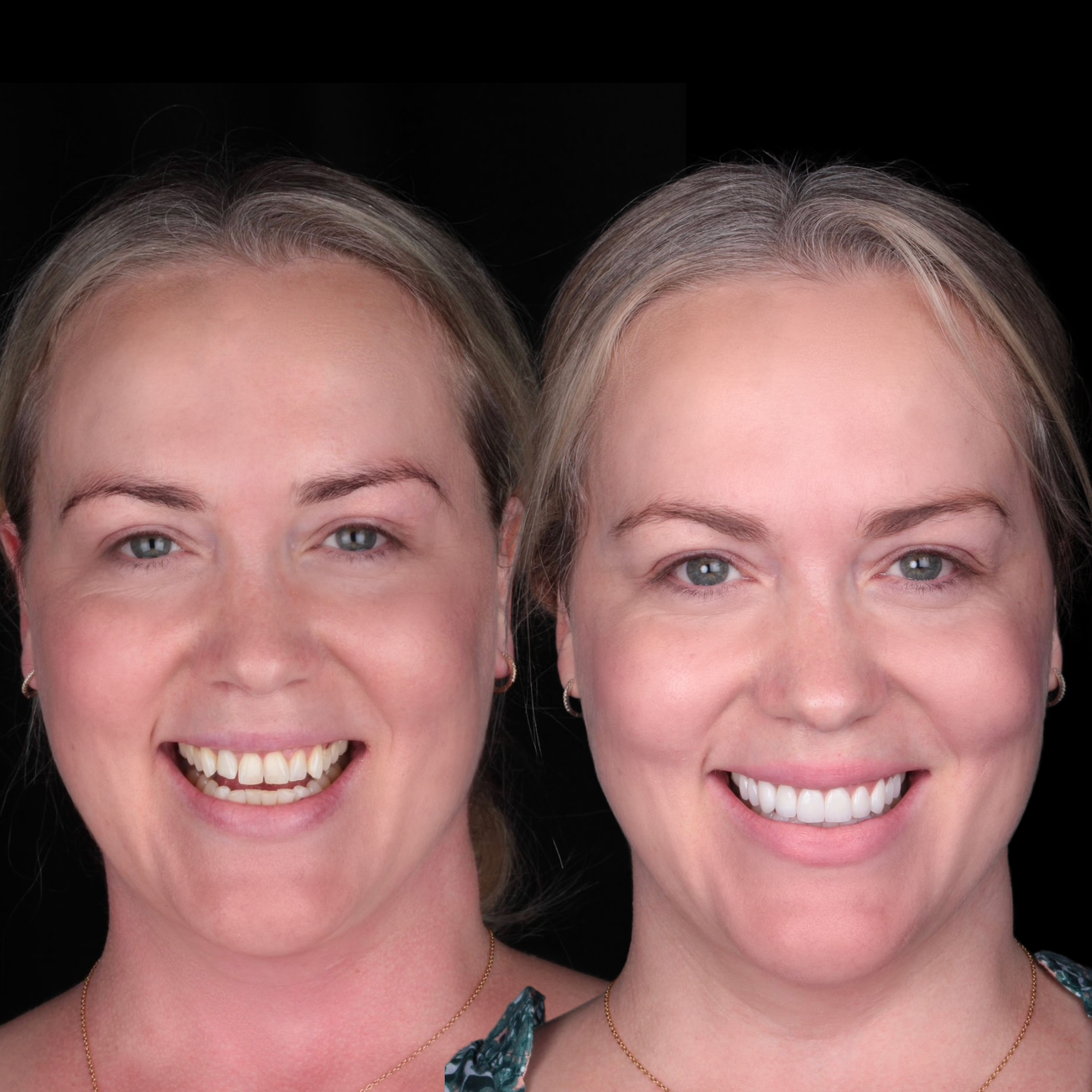

Before & After
Discover the many different patient transformations that take place at Bond St – to help imagine what we could do for your teeth.
View the Before & After galleryWhat are Porcelain Crowns?
Years of wear and tear and extensive dental work can increase the risk of teeth developing fractures and cracks. Porcelain crowns can help provide much-needed structural strength for teeth in need.
Watch the video
Mapping Your Path to a Perfect Smile
At Bond St, we are committed to providing a patient experience that truly sets us apart. With decades of expertise in our team, we ensure you receive exceptional comfort and care throughout your visit. Why wait—your journey to a brighter, more confident smile is just a phone call away!

1. Cosmetic Smile Consultation
Your journey with Bond St begins with a consultation tailored to your needs…
1. Cosmetic Smile Consultation
Your journey with Bond St begins with a consultation tailored to your needs. During this initial visit, our expert team will conduct a comprehensive examination of your oral health, discussing any concerns you may have and outlining your treatment goals. We will assess your suitability for dental crown while taking digital images and X-rays to evaluate the condition of your teeth and surrounding bone quality.

2. Personalised Treatment Plan
Our leading cosmetic dentists will create a customised treatment plan tailored…
2. Personalised Treatment Plan
Our leading cosmetic dentists will create a customised treatment plan tailored to your unique teeth, facial symmetry, and desired results. Utilising advanced ‘clin-check’ technology, we will provide a detailed visualisation of how your teeth will shift during treatment and what your final smile will look like.
3. Finding the Right Fit
Once you’re satisfied with your treatment plan, we’ll begin by preparing the affected tooth…
3. Finding the Right Fit
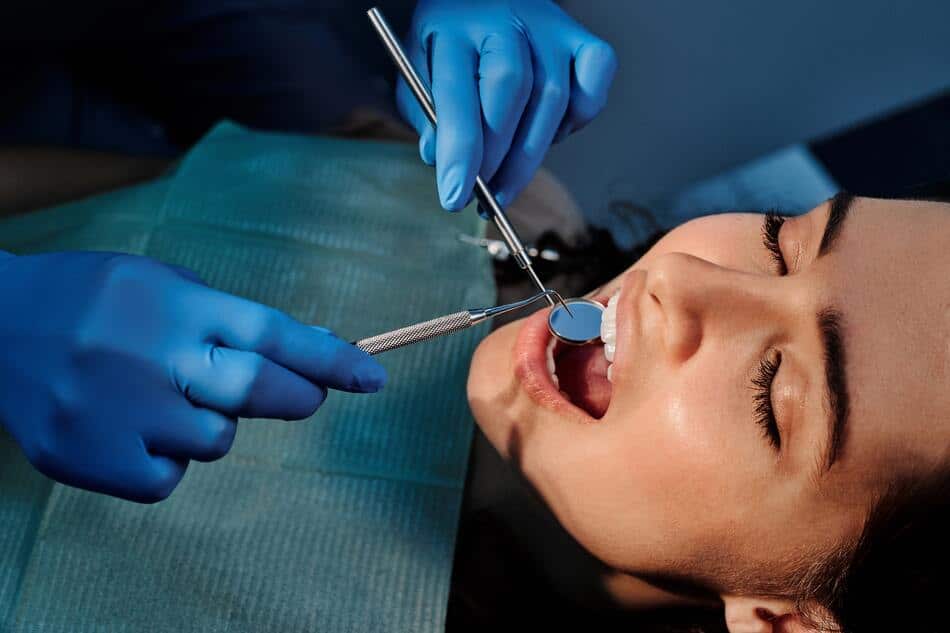
Once you’re satisfied with your treatment plan, we’ll begin by preparing the affected tooth, removing any decay and reshaping it for a precise crown fit. If necessary, a temporary crown will be placed to protect the tooth while your custom crown is being made. During this process, we’ll send your scans and impressions to our specialised laboratory, where our expert ceramicists will craft your new crown.
4. A Smile to Share
Once your custom crown is ready, we’ll arrange a follow-up appointment…
4. A Smile to Share
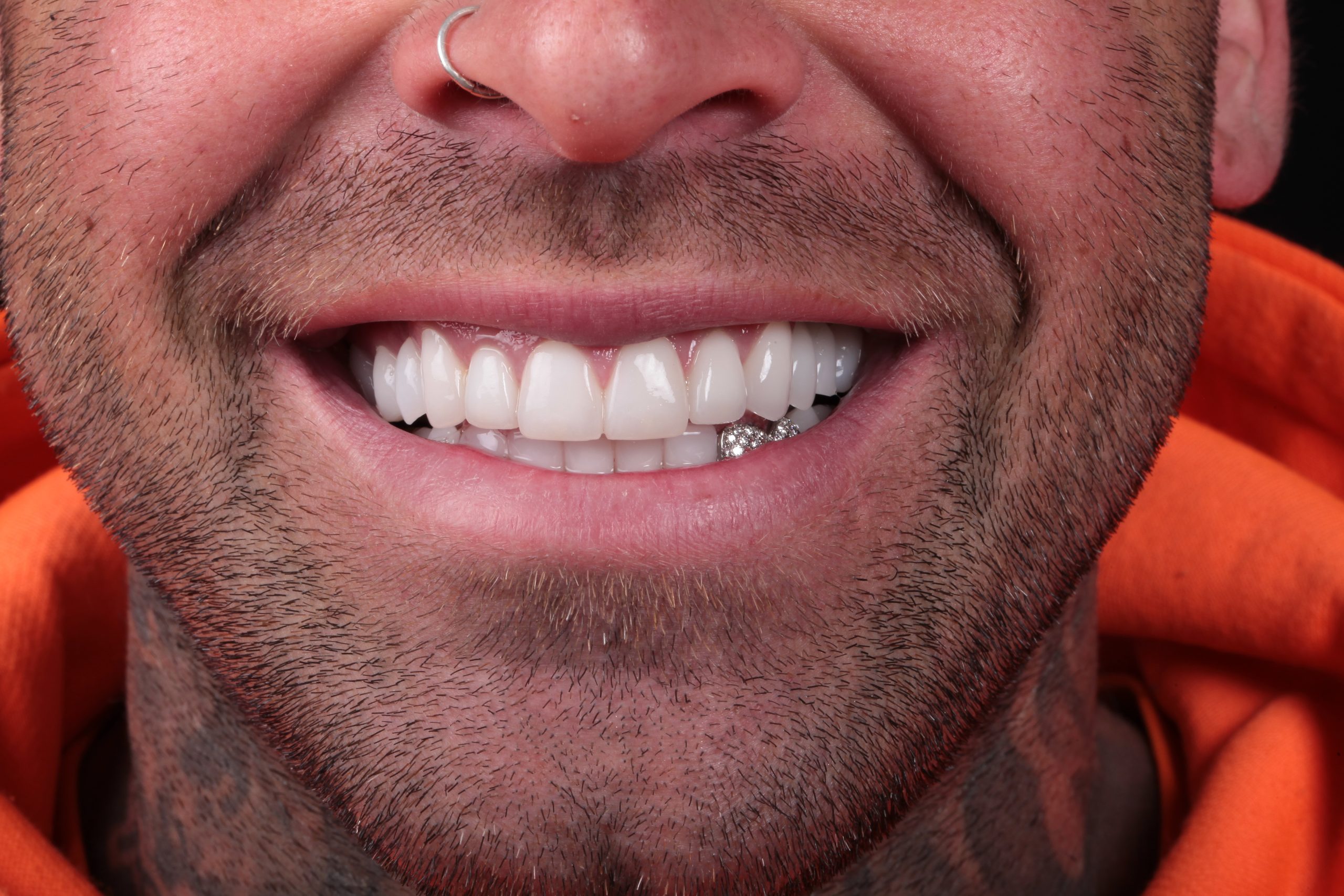
Once your custom crown is ready, we’ll arrange a follow-up appointment. During this visit, we will remove the temporary crown and precisely place your permanent crown. Our team of experts will carefully check the fit, size, shape and colour of your crown to ensure it blends seamlessly with your natural teeth. After you’re happy with the look and fit, we will securely bond the crown in place.

Famous Smiles
Some of Australia’s best-known stars and household names entrust Bond Street for their dental care—from sporting stars and TV personalities to comedians and musicians.
See more of our famous smiles;)
Where You Can Find Our Porcelain Crown Clinic in Melbourne
At Bond Street, we help you decide on a cosmetic dental solution to meet your needs. Starting with an in-depth smile enhancement consultation, we work with you every step of the way to provide high-quality, personalised care. Book in for a consultation at our state-of-the-art South Yarra clinic.
Ready for Your Transformation?
Call 1300 266 378
FAQs
What Is a Dental Crown?
Dental crowns are commonly used in cosmetic dentistry because of their versatility and ability to fix several dental issues.
Simply put, they are tooth-shaped caps made from porcelain or a mix of porcelain with other materials. By placing the cap over a damaged tooth, the structure is held together to avoid further damage. This also greatly improves the appearance of the tooth. A dental crown only covers the tooth above the gum line and is fused to the existing tooth for comfort and convenience.
When Do You Need a Dental Crown?
Dental crowns can be used for both structural restoration and to improve the appearance of a tooth. To know if you’re a good candidate for a dental crown, it’s always best to book a consultation with our team to discuss your needs and suitability.
You may be considered a good candidate for a dental crown if you:
- Have a tooth that’s been weakened and needs protection from breaking.
- Need a cracked tooth to be held together.
- Are suffering from significant dental decay
- Have been told you aren’t suitable for porcelain veneers
- Have a missing tooth and require a porcelain bridge that needs to be held in place.
- Need to restore a misaligned or discoloured tooth.
- Have a dental implant that needs to be restored.
Types of Dental Crowns
There are a variety of dental crowns on the market, each having its unique advantages. At Bond St, our cosmetic dentists can help you choose the best option for your teeth. Here’s an overview of the most common types of crowns:
- Porcelain crowns: Are a popular choice for their natural appearance and durability. These crowns closely resemble the look and feel of real teeth, and can be custom-made to match the shape, size, and colour of your surrounding teeth. While porcelain crowns are ideal for visible teeth, they may be more susceptible to chipping compared to other materials.
- Gold/ Metallic crowns: Are the strongest type of dental crown, making them ideal for molars and teeth that endure heavy chewing forces. Made from metals like gold or silver alloys, these crowns are incredibly long-lasting but not as aesthetically pleasing, which is why they are typically used for back teeth.
- Zirconia crowns: Offer a perfect balance of strength and aesthetics. Made from a durable ceramic material, zirconia crowns are resistant to chips and cracks, and can be colour-matched to your natural teeth. This makes them an excellent option for both visible and non-visible teeth.
- Composite resin crowns: are made from a tooth-coloured resin material that’s bonded to the tooth. They are an affordable option, but they may not be as long-lasting or resistant to damage as porcelain or zirconia crowns. However, they are a practical solution for patients on a budget or those seeking short-term repairs.
Choosing the right dental crown: the best type of dental crown for you will depend on several factors, including the location of the tooth, your aesthetic preferences and your budget. Whether you need a durable solution for a molar or a natural-looking crown for a front tooth, our expert team at Bond St will guide you in selecting the ideal crown for your needs.
What’s the Difference Between Porcelain and Composite Dental Crowns?
The main difference between porcelain and composite dental crowns is the quality and longevity of the materials.
Porcelain crowns are more durable than composite, meaning they can be enjoyed for many years with minimal chance of chipping or staining. They’re also known for looking more natural and attractive than the alternative, which is why they’re a gold standard in cosmetic dentistry.
Why Use a Porcelain Crown?
While some dentists choose to use metals or resin to make a crown, porcelain is considered the most natural-looking and durable material to work with. At Bond Street Dental, we work with Australia’s leading dental porcelain technicians to create state-of-the-art custom crowns with excellent longevity.
How Long Do Porcelain Crowns Last?
With the right follow-up care and oral hygiene, porcelain crowns can last for decades. Because the Bond St team only use the highest quality porcelain and work with the country’s leading technicians, our handcrafted porcelain crowns are expected to outlast those made with resin or other composite materials.
What’s the Difference Between a Crown and a Bridge?
While dental crowns and dental bridges are both used to restore teeth, they serve different purposes. A dental crown is used to restore and protect a single damaged tooth, whereas a dental bridge is designed to replace one or more missing teeth.
A dental bridge involves the preparation of two or more teeth to support the replacement tooth (or teeth). The supporting teeth on either side of the gap are fitted with crowns, which are then connected to a “floating” crown that fills the space left by the missing tooth. This provides a seamless and functional solution to restore both the appearance and function of your smile.
At Bond St, we only use the highest quality porcelain and work with the country’s leading technicians, to sculpt your brand-new smile.
Is Getting a Crown Painful?
The procedure of getting a dental crown is almost entirely painless. At Bond Street, we pride ourselves on providing top-quality dental care that ensures our patients are comfortable from start to finish. While crown treatment is not painful, our dentists may apply a numbing gel to the area or prescribe you a mild pain reliever, if needed.
Can I Eat Normally with a Dental Crown?
It’s advised that you avoid chewy, hard or overly hot foods in the week or so after your crown is fitted so that it has time to settle and for the adhesive to properly fuse. However, one of the many benefits of a crown is that it’s a permanent fixture so you don’t need to remove it to eat or drink and you can enjoy all your favourite foods again in no time.
Can a Dental Crown Stain?
While porcelain dental crowns can stain, they’re less likely to then your natural teeth. The best way to avoid dental crown staining is to minimise exposure to culprits such as red wine, tobacco, coffee and tea.
Can I Have a Dental Crown on My Front Teeth?
Yes! Using a high-quality porcelain crown to cap a front or more prominent tooth is a common procedure that helps to make a smile more even and halt any structural damage. Because porcelain looks very natural and is easy to match to the surrounding teeth, it’s almost impossible to tell that you’ve had the treatment done at all.
Can I Get a Dental Crown When Pregnant?
Normally, if you are pregnant it’s advised that you avoid getting any non-essential dental work done until after birth. However, leaving significant decay exposed while pregnant can sometimes also be unadvisable. In this case, a temporary crown could be used, especially if you were already planning for a root canal. Always consult with your doctor and dentist to determine what’s appropriate for you and your situation.
Why Did My Dental Crown Fall Off?
When crown work is done overseas or by a less experienced dentist, there can be a higher risk of a dental crown falling out due to adhesive issues. This is usually caused by biting into overly soft or chewy food. However, even if your crown is placed by the most experienced dentist using the highest quality materials, there’s still a chance that it will fall out if poor oral hygiene is practised and the natural tooth underneath starts to decay.
Can I put my crown back in place at home before visiting the dentist?
No, it’s not advisable to try and put your crown back in place if it falls out. The best thing to do is keep it somewhere safe and contact Bond Street Dental immediately so that we can organise a dentist to repair it for you, as soon as possible.
What should I do if I swallow my dental crown?
If you think you may have swallowed your dental crown it’s important that you see a doctor to make sure that it hasn’t entered your windpipe and is tracking correctly, then speak to the team at Bond Street about the next steps.
How Much Do Crowns Cost?
At Bond St, we pride ourselves on being completely transparent with our costs, which our treatment coordinator will personally discuss with you as we put together your tailored treatment plan. We understand that cosmetic dentistry can be a big investment, which is why we also offer a variety of flexible payment options to suit different budgets.
Aftercare Tips for Your Dental Crowns
Congratulations on receiving your new dental crowns! To ensure they remain in top condition and last for many years, it’s important to follow these aftercare tips:
- Routine Dental Check-ups and Hygiene Visits: Schedule dental check-ups every six months for professional cleanings and comprehensive exams. This helps keep your crowns in excellent shape while maintaining your overall oral health.
- Be Conscious of Biting Habits: Although durable, crowns can still be damaged. Avoid biting down on hard objects like ice or hard lollies, which could cause your crown to crack or break.
- Be Mindful of Sticky or Chewy Foods: Sticky foods, like toffee or chewing gum, may dislodge your crown. If you indulge, be sure to brush thoroughly afterwards to maintain your crown’s stability.
- Use a Soft-bristle Toothbrush: To prevent scratching or damaging your dental crowns, use a soft-bristled toothbrush and brush gently.
- Flossing Around Crowns: Flossing can be more challenging with dental crowns, but it’s crucial to prevent plaque buildup. Be sure to floss around the base of your crown, and if needed, ask your dentist to show you the proper technique.