





At Bond St, we focus on restorative dentistry using established dental implant technology. Our team has experience providing the Nobel Biocare implant system, offering a professional clinical pathway for those requiring dental implant procedures.
By replacing missing or damaged teeth with dental implants, we aim to restore oral structure to support health and bite function.
When tooth replacement is required, various options are available. These include conventional dental implants, immediate dental implants, and the All-on-4® treatment concept.
Important Information: All dental procedures carry risks. A consultation is required to determine suitability for any treatment. Results vary between individuals and depend on clinical factors and patient compliance. Any surgical or invasive procedure carries additional risks; before proceeding, you should seek a second opinion from an appropriately qualified health practitioner.
Being told you don't have enough bone for dental implants doesn't always mean implants are off the table. This video explains why bone volume matters for traditional implant techniques, and how alternative approaches, such as the All-on-4® treatment concept, may help some patients who have experienced bone loss.
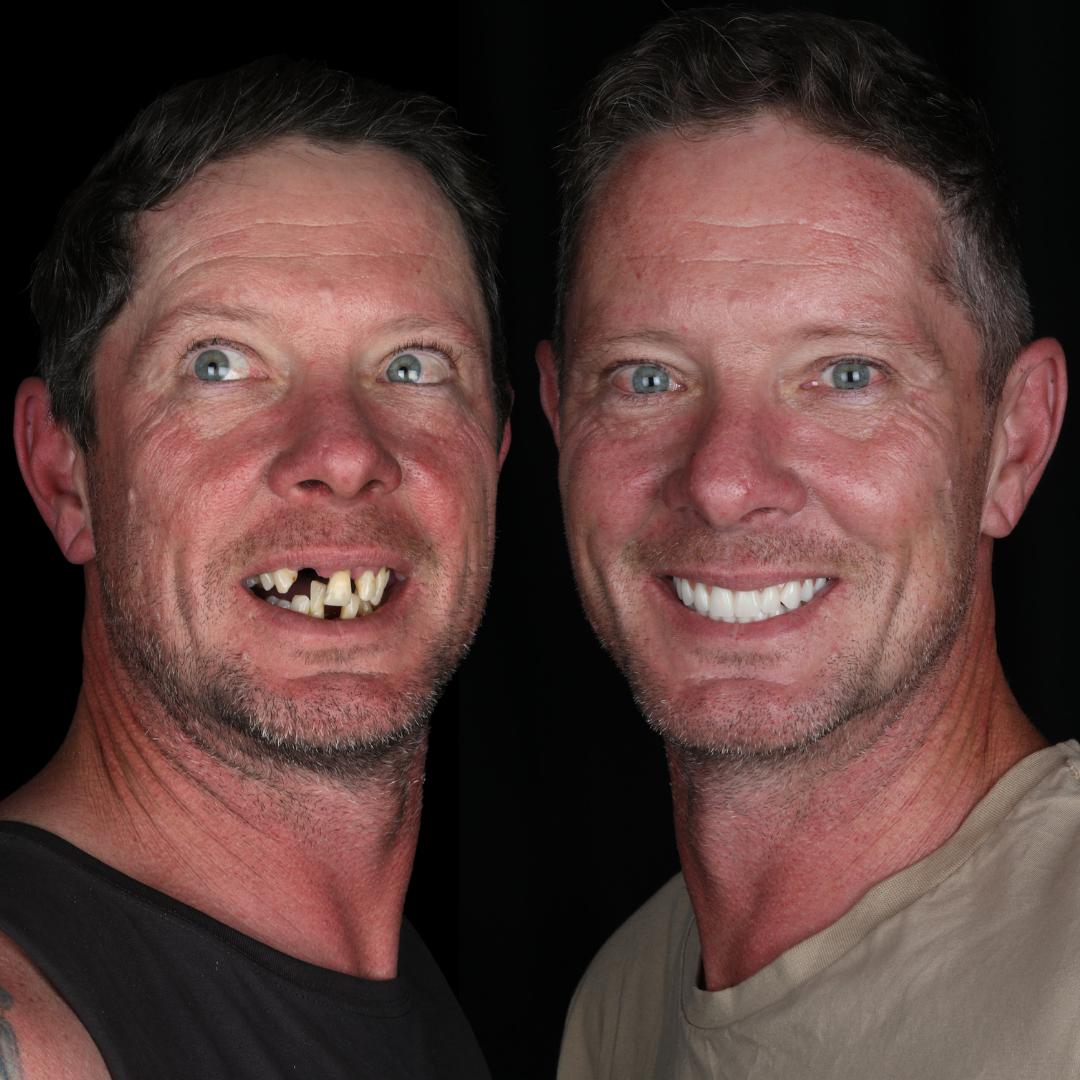
The following images demonstrate the clinical results achieved for our patients. Every smile is unique; these examples are intended to illustrate potential outcomes for various dental concerns and do not guarantee a specific result.
Important Information: Individual results vary. All invasive procedures carry risks. A consultation is required to determine suitability for any treatment.
At Bond St, our dental implant services are provided by a highly experienced clinical team. We prioritise patient care and professional support throughout every stage of your restorative treatment. To discuss your clinical options for tooth replacement, contact our South Yarra clinic to arrange a consultation.
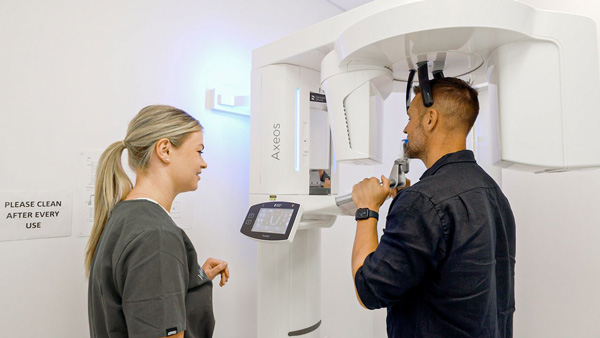
Your experience at Bond St begins with an individualised clinical consultation…
Your experience at Bond St begins with an individualised clinical consultation. During this initial visit, our practitioners perform a comprehensive examination of your oral health. We discuss your clinical requirements and evaluate the condition of your teeth and surrounding bone quality. To determine your suitability for dental implants, we utilise diagnostic tools including digital imaging and X-rays to ensure a thorough assessment of your dental anatomy.

Our dental team develops an individualised treatment plan tailored to your…
Our dental team develops an individualised treatment plan tailored to your specific clinical requirements. From the initial assessment to the final restoration, every stage of your care is structured to support your oral health and achieve a functional result. This planning process ensures that the treatment pathway is appropriate for your dental anatomy and long-term health goals.
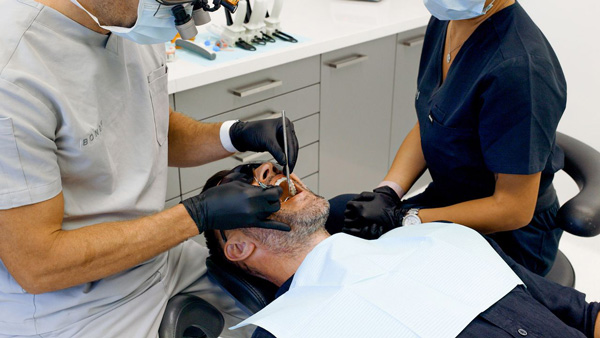
Before the procedure, our team performs any necessary preliminary assessments…
Before the procedure, our team performs any necessary preliminary assessments and provides you with detailed pre-operative instructions. This includes guidelines regarding diet, hydration, and medication management prior to your appointment. We also coordinate with you to ensure post-procedure transportation is arranged. Our clinical staff prepares the surgical environment and ensures all specialised materials and equipment are ready for your specific treatment.
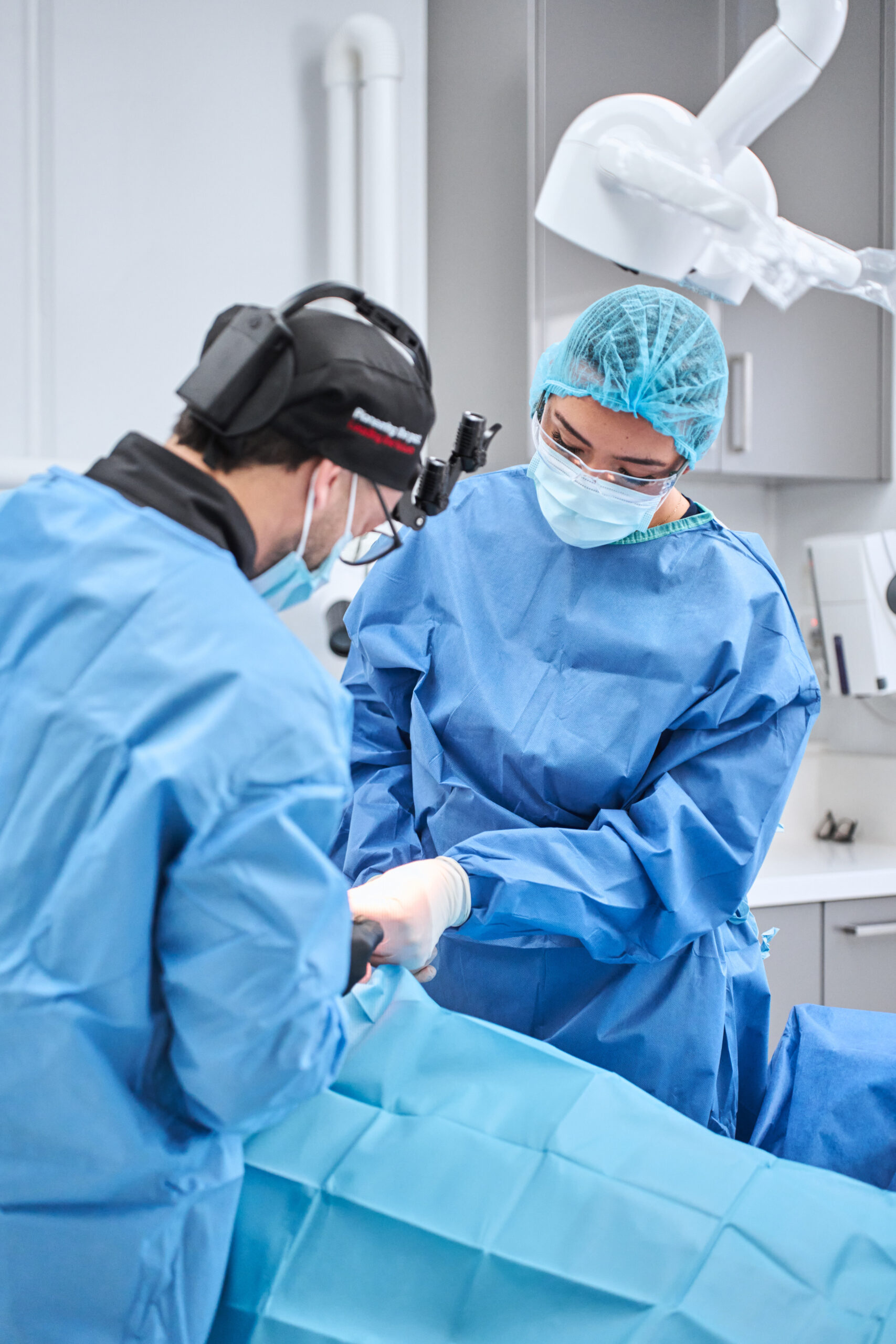
On the day of the procedure, our dentists administer local anaesthetic to manage…
On the day of the procedure, our dentists administer local anaesthetic to manage sensation during the treatment. Utilising a custom surgical guide developed during the planning phase, the titanium implant is positioned into the jawbone according to the digital model. Following the completion of the procedure, our clinical team provides you with post-operative care instructions to support your initial recovery period.
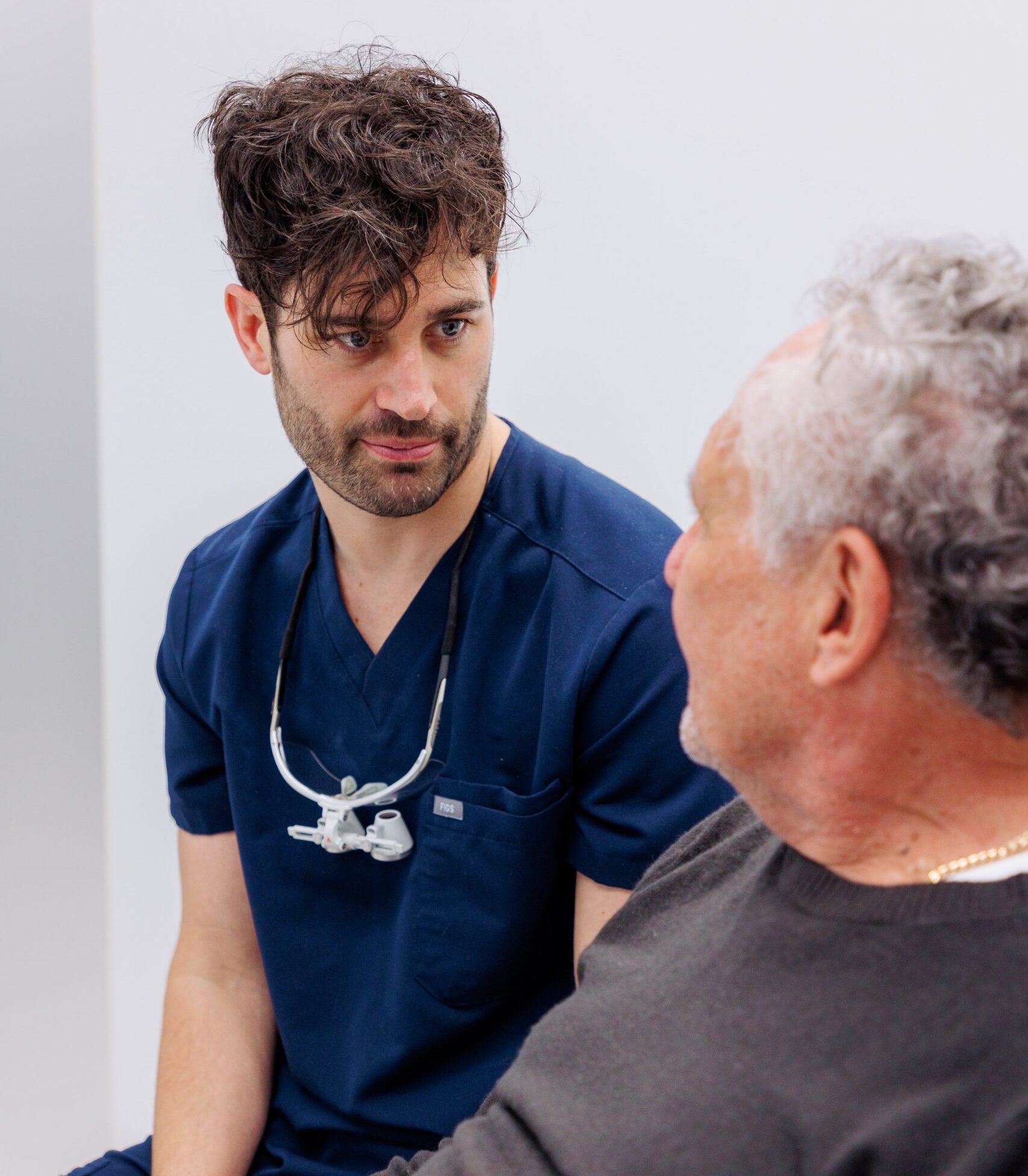
The healing phase typically occurs over several months as the implant undergoes…
The healing phase typically occurs over several months as the implant undergoes osseointegration with the jawbone. Our team monitors your progress through review appointments to provide hygiene guidance and address clinical concerns. A temporary restoration may be used during this period, depending on your individual plan.
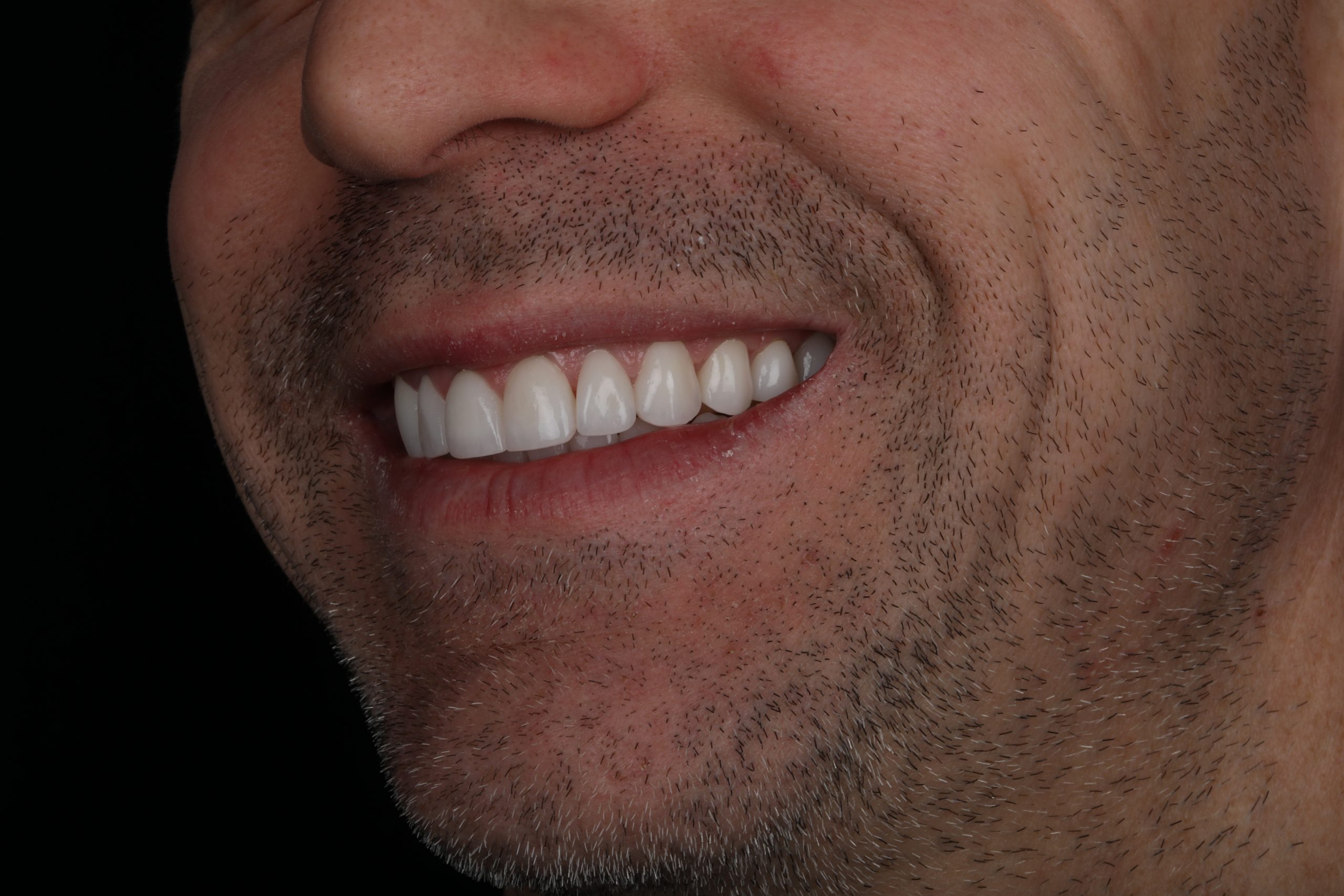
On the day of the procedure, our dentists administer local aesthetic to manage…
Following integration, clinical impressions are taken to craft your custom crown, bridge, or denture. Our dentists then secure the restoration, verifying the fit, bite alignment, and aesthetic integration. We provide comprehensive care instructions and schedule follow-up reviews to monitor long-term stability and function.
Dental implants are restorative systems used to manage tooth loss. This three-part system provides clinical stability and supports your oral health.
The Implant Post: A medical-grade titanium post positioned into the jawbone during a surgical procedure to act as a substitute for the tooth root.
The Abutment: A specialised connector piece that attaches to the implant post and supports the final restoration.
The Crown: A custom-crafted prosthetic tooth attached to the abutment, designed to match the appearance and shade of your natural teeth.
This structure supports the mechanical function of the jaw and assists in maintaining bone density. Unlike traditional dentures, it provides a fixed restorative option that blends seamlessly with your natural dentition.
Dental implants may be recommended as part of a restorative treatment plan to address missing or damaged teeth. Replacing missing teeth is important for maintaining the structural integrity of the jaw and the alignment of the surrounding dentition.
Common clinical reasons for tooth loss include:
Periodontal Disease: Advanced gum disease that compromises the supporting structures of the teeth.
Dental Caries: Extensive decay (cavities) that renders a tooth non-restorable.
Dental Trauma: Physical injury or accidents resulting in tooth loss.
Medical Factors: Certain health conditions, medications, or treatments that impact oral health or saliva production.
Not everyone is suitable for dental implants. During your consultation, your dentist will assess whether your bone structure is strong enough to support an implant and whether there is enough room for the implant to fit.
Other indications of whether you are suitable for a dental implant include:
Having healthy gums that are free from disease.
Adequate bone quality.
A willingness to commit to good oral health practices and implant maintenance.
Smoking is a significant risk factor that can interfere with the body’s ability to heal and may increase the likelihood of implant complications or failure to integrate. While tobacco use may not always preclude you from treatment, it significantly impacts the long-term stability of the restoration.
To support the integration process and improve long-term clinical outcomes, we strongly advise patients to cease smoking for a period both before and after the surgical procedure. Our team will discuss your specific risk profile during your clinical assessment.
When appropriately planned and maintained, dental implants offer several functional and clinical benefits:
Restoration of Masticatory Function: Implants are designed to support a stable bite, allowing for the consumption of a wide range of foods.
Speech Support: By providing a fixed restorative solution, implants assist in maintaining the clarity of speech compared to traditional removable prosthetics.
Support of Facial Structure: Implants help to stimulate the jawbone, which assists in maintaining the natural bone volume and facial contours.
Hygiene Integration: As fixed restorations, implants allow for standard brushing and flossing routines, supporting long-term periodontal health.
Structural Longevity: While surgical procedures involve an initial clinical process, dental implants are a durable restorative option designed for long-term stability.
Functional Restoration: Replacing missing teeth aims to restore the appearance and integrity of the smile.
All surgical and invasive procedures carry inherent risks. While dental implants are an established restorative option, it is important to be aware of the potential clinical complications, which may include:
Nerve Involvement: Potential damage to surrounding nerves, which may cause temporary or permanent numbness or tingling.
Infection: Risk of post-operative infection at the surgical site.
Sinus Complications: Potential for implants in the upper jaw to impact the sinus cavities.
Implant Non-Integration: The possibility of the implant failing to fuse with the bone (osseointegration) or being rejected by the body.
Allergic Reactions: Sensitivity or reactions to the materials used in the implant or aesthetic.
Healing Variables: Delayed healing or complications resulting from underlying health conditions or lifestyle factors.
The dental implant procedure is performed utilising local anaesthesia to manage sensation during the surgery. Our practitioners focus on patient care and will discuss the various options for managing your experience during the procedure. Following the surgery, it is common to experience swelling and a degree of discomfort as the tissues begin to heal. These symptoms are a normal part of the post-operative phase and can usually be managed with appropriate medication, which our clinical team will discuss with you. Our team provides professional support throughout your recovery and will present a detailed treatment plan during your follow-up appointment to outline the next stages of your care.
When considering tooth replacement in Melbourne, several restorative pathways are available. Each option has specific clinical indications and considerations:
Dental Implants: Dental implants are a fixed restorative option designed for long-term stability. They assist in preserving jawbone density by providing stimulation similar to a natural tooth root. This option requires a surgical procedure and involves a higher initial clinical investment compared to other methods.
Dental Bridges: A dental bridge is a fixed prosthetic used to bridge the gap created by one or more missing teeth. This is a non-surgical alternative that can be completed in a shorter clinical timeframe than implants. However, this option involves the preparation of the adjacent natural teeth to support the bridge and does not prevent bone resorption in the missing tooth area.
Dentures: Dentures are removable prosthetics used to replace multiple missing teeth or a full arch. They provide a non-invasive and cost-effective solution for many patients. While functional, dentures may require periodic adjustments to manage fit and do not provide the same level of bone preservation as implant-supported restorations.
The design and clinical application of a dental implant system are important considerations in restorative dentistry. At Bond St, our practitioners utilise the Nobel Biocare implant system. Nobel Biocare is an established global provider of dental implant technology, offering a range of components designed for various clinical indications and bone types.
Our choice to utilise this system is based on its long-standing history in clinical research and its compatibility with various restorative requirements.
If you are a suitable candidate for dental implants, our practitioners will provide a detailed treatment plan during your consultation. This plan includes a breakdown of the clinical fees associated with each stage of your procedure to assist you in making an informed decision.
At Bond St, we provide clear information regarding treatment costs. We also offer a range of third-party payment plans for those who wish to manage their treatment costs over time. Suitability for these plans is subject to the terms and conditions of the provider.
When considering dental implant surgery abroad, it is important to evaluate the long-term clinical implications. In Australia, dental practitioners must adhere to strict infection control protocols and professional standards set by the Dental Board of Australia. Additionally, all dental implant materials must be approved by the Therapeutic Goods Administration (TGA) for safety and quality.
Key clinical considerations include:
Continuity of Care: Dental implants require long-term monitoring and maintenance. Seeking treatment locally ensures that your practitioner is available to manage follow-up care or address any postoperative clinical concerns.
Regulatory Oversight: Australian clinics operate under a unified national regulatory framework (AHPRA), providing patients with specific protections and recourse that may not be available in other jurisdictions.
Component Compatibility: Different regions use varying implant systems. Receiving treatment in Melbourne ensures that the components used are readily accessible in Australia should a restoration require maintenance or replacement in the future.
Informed Consent: Engaging with a local clinical team allows for thorough preoperative assessments and a comprehensive informed consent process over multiple consultations.
The duration of the dental implant process varies based on individual factors, including oral health, jawbone volume, the number of implants required, and any necessary preliminary treatments.
Conventional Dental Implants: This restorative pathway often involves several stages to allow for healing and integration, which may span several months. In cases of significant bone loss, preliminary procedures such as bone grafting may be required to create a stable foundation.
All-on-4® Treatment Concept: This approach utilises a specific surgical technique that often allows for the placement of a provisional restoration in a shorter timeframe than conventional methods. By utilising available bone through angled implant placement, the requirement for bone grafting may be reduced in many cases; however, suitability is determined on an individual clinical basis.
Maintaining dental implants involves a combination of professional clinical reviews and diligent oral hygiene. While implants are designed to be a long-term restorative solution, their longevity depends on the health of the surrounding soft tissue and bone.
Following your procedure, your dentist will provide specific clinical instructions to support the healing process and manage the surgical site.
Postoperative Care Instructions:
Initial 24 Hours: Avoid hot foods and beverages. Do not rinse the mouth to allow the surgical site to stabilise.
Saline Rinses: After the first 24 hours, gently rinse with warm salt water 2–3 times daily as directed.
Dietary Adjustments: Consume soft foods for the first week to avoid placing undue pressure on the implant site.
Risk Management: Abstain from smoking and alcohol for at least two weeks, as these can significantly interfere with the healing process.
Hygiene Routine: Maintain standard oral hygiene while exercising extreme care around the surgical area.
Clinical Reviews: Attend all scheduled follow-up appointments to allow your practitioner to monitor the integration and health of the implant.

At Bond St, we assist you in identifying the dental solutions that best meet your clinical needs. Starting with a comprehensive assessment and consultation, we provide personalised care throughout every stage of your treatment. Contact our South Yarra clinic to arrange a consultation and discuss your suitability for treatment.