

Clinical Assessment & Personalised Treatment Planning
At Bond St, every assessment begins with a thorough clinical consultation with Yael Gordon, Registered Nurse. This session involves an evaluation of skin health and facial anatomy to develop a personalised plan aligned with your specific aesthetic requirements.
We provide a range of non-surgical treatment options designed to address skin texture and the appearance of fine lines across the face and neck. Our evidence-informed approach focuses on supporting skin integrity and addressing the signs of ageing. Whether you are seeking to discuss facial rejuvenation or skin maintenance, our clinical team will guide you through each stage of your care.
Our approach is medically guided, ensuring your treatment plan is reviewed and adapted as your skin health evolves.
Important Information: A consultation is required to determine suitability for any aesthetic procedure. All medical procedures carry risks. Outcomes vary between individuals based on skin type and age.
Treatment Details & Risks

Step 1: Consultation
As we age, the skin undergoes natural changes, including a reduction in collagen and elastin, which affects its resilience. Combined with the dynamic movement of facial muscles, this process contributes to changes in skin texture and the formation of fine lines.
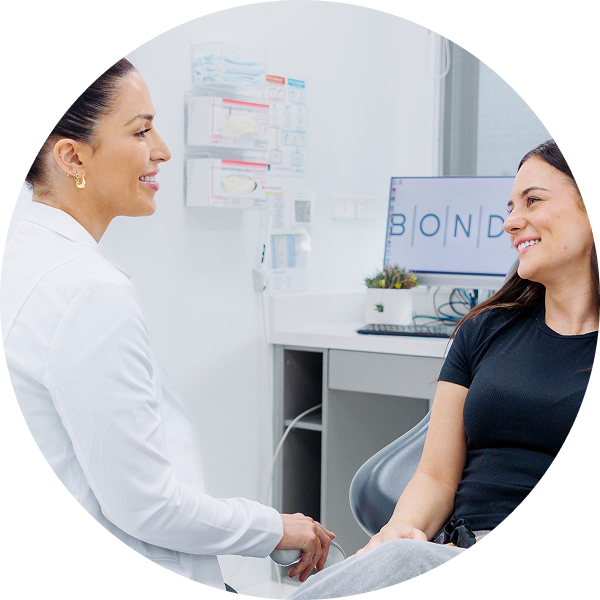
At Bond St, every aesthetic rejuvenation journey begins with a mandatory, detailed consultation. During this visit, our Registered Nurse, Yael Gordon, will conduct a comprehensive clinical assessment of your skin health and facial anatomy. This allows for the development of an evidence-informed, personalised plan, followed by a mandatory period of reflection prior to any clinical intervention.
Step 2: Procedure
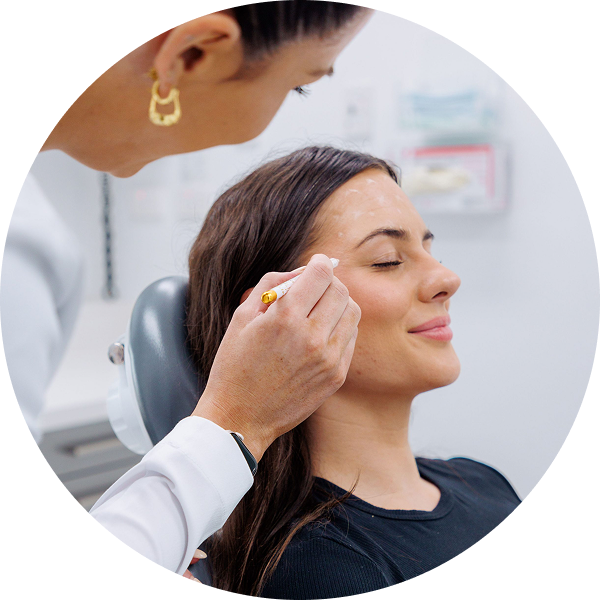
The procedure involves a professional and precise application focused on specific facial areas identified during your consultation. This treatment is designed to address changes in skin texture and the appearance of fine lines by focusing on the underlying facial anatomy.
The appointment typically lasts 15–30 minutes. Our clinical team focuses on precision and patient comfort throughout the process. Following the procedure, most patients can resume their daily activities, although specific post-treatment care instructions will be provided to support your recovery.
Step 3: Aftercare
Following your clinical procedure, our team will provide you with specific instructions to support your recovery and the longevity of your results.
Please Note: As with any medical procedure, results vary between individuals and are not guaranteed. Potential risks and contraindications will be thoroughly discussed during your initial consultation.
A follow-up review appointment will be scheduled with Yael Gordon, Registered Nurse, to evaluate your progress against your established treatment goals. As the results of these aesthetic treatments are temporary, this appointment allows for the discussion of long-term skin maintenance and subsequent planning.
Ready to Schedule Your Consultation?
We invite you to schedule your consultation at our South Yarra clinic to begin the assessment process.
- Monday: 11:00 am – 7:00 pm
- Tuesday: 11:00 am – 7:00 pm
- Wednesday: 8:30 am – 7:00 pm
- Thursday: 11:00 am – 8:00 pm
- Friday: 8:00 am – 5:00 pm
FAQs
What is Wrinkle Management & How Does it Work?
Aesthetic rejuvenation treatments are non-surgical procedures designed to address the appearance of fine lines and enhance skin texture. These treatments involve a precise clinical application to targeted facial areas to support a refreshed and natural appearance.
By focusing on the underlying facial anatomy, our clinical team can help address concerns related to the signs of ageing, providing results that are tailored to your unique facial structure.
How Long Do the Results of Wrinkle Management Treatments Last?
The duration of results from aesthetic treatments varies significantly between individuals. Factors such as skin type, lifestyle, and facial anatomy all influence how a treatment is processed by the body.
During your clinical consultation, our registered health practitioners will discuss what you can expect regarding the timing of your results and how to plan for ongoing skin maintenance. This ensures that any subsequent care is tailored to your specific clinical needs and aesthetic goals.
Are Wrinkle Management Treatments Painful?
At Bond St, we prioritize patient comfort during every clinical procedure. Our practitioners utilize precise techniques and, where appropriate, can discuss various methods to manage sensation during your treatment.
While individual experiences of discomfort vary, our team is focused on providing a supportive environment. During your consultation, Yael Gordon, Registered Nurse, will discuss the steps we take to support your comfort and address any concerns you may have regarding the treatment process.
Is There Any Downtime After the Treatment?
Following your aesthetic procedure, most patients can return to their regular daily activities. It is common to experience temporary localised redness, swelling, or bruising at the treatment sites. These are standard clinical responses and will generally resolve as the skin heals.
To support your recovery and the best possible outcome, we recommend avoiding strenuous physical activity for at least 24 hours post-treatment. During your consultation, Yael Gordon, Registered Nurse, will provide you with a comprehensive aftercare guide tailored to your specific treatment plan.
What Are Dynamic & Static Wrinkles?
Facial lines generally fall into two categories. Some lines are associated with repeated facial expressions and are visible during movement, such as smiling or frowning. Other lines, often related to the natural ageing process and a reduction in skin elasticity, may be visible while the face is at rest.
Aesthetic rejuvenation treatments are designed to address the appearance of these lines by focusing on the underlying facial anatomy. During a clinical consultation, Yael Gordon, Registered Nurse, will evaluate your skin health and facial structure to determine which approach is most suitable for addressing your specific concerns and supporting a refreshed appearance.
Can Anyone Receive Wrinkle Management Treatments?
Aesthetic rejuvenation treatments are medical procedures that require a comprehensive clinical assessment to determine suitability. These treatments are not appropriate for everyone. Specifically, they are not suitable for individuals who are pregnant or breastfeeding, or those with certain underlying medical conditions.
At Bond St, a mandatory consultation with Yael Gordon, Registered Nurse, is required to review your medical history and facial anatomy. This process ensures that any proposed treatment is clinically appropriate for you and aligned with your health needs.
What Should I Do Before & After My Treatment?
Preparing for Your Consultation
To support the best clinical outcome, there are several steps we recommend discussing during your initial assessment. Our team will provide a comprehensive pre-treatment guide that outlines how to prepare your skin and what to avoid in the days leading up to your appointment.
Post-Treatment Support
Following your aesthetic procedure, our registered health practitioners will provide you with a detailed aftercare plan. This includes specific guidance on physical activity, sun protection, and how to manage the treated area during the initial healing phase. Adhering to these professional instructions is essential for supporting your recovery and clinical results.
What Other Benefits Does Wrinkle Management Treatments Offer?
Beyond addressing the appearance of fine lines, these clinical treatments can be utilised for various functional and aesthetic purposes. During a consultation, our practitioners can discuss how these applications may support concerns related to facial proportions or specific therapeutic needs.
At Bond St, Yael Gordon, Registered Nurse, performs a comprehensive assessment to determine if these treatments are an appropriate clinical option for your specific requirements.
How Does Wrinkle Management and Volume Management Differ?
At Bond St, we provide various non-surgical options to address different aspects of facial rejuvenation. While both are used to address the signs of ageing, they focus on different anatomical goals.
Addressing Expression Lines
One category of treatment is designed to address the appearance of fine lines associated with repeated facial expressions (dynamic lines). By focusing on specific anatomical areas identified during your consultation, these treatments help provide a refreshed and natural appearance.
Restoring Volume and Structure
The second category involves the use of dermal gels (often referred to as fillers). These are used to address areas of the face where volume has decreased over time or where additional structural definition is required. This approach is typically used to support facial contours, such as the mid-face or lips, and to address deeper lines that are visible when the face is at rest.
A Combined Approach
During your clinical assessment, Yael Gordon, Registered Nurse, will evaluate your facial structure and skin health. In many cases, these two approaches are used together as part of a comprehensive plan to restore both volume and smoothness to the skin.